The Pull of the Deep
This is a summoning—a guide to the world’s best fishing spots, where legendary species test your skill, and the backdrop is raw, untamed nature. There’s a moment, just before the strike, when the world narrows to the tension in the line and the rhythm of the water. Fishing isn’t just a pastime; it’s a pilgrimage. It’s the pursuit of wild places where giants lurk beneath the surface and every cast holds the promise of a story you’ll tell for a lifetime. This isn’t about the closest pond (though those have their charm).
Forge the adventure of a lifetime. Here are the top 10 destinations that belong on every serious angler’s bucket list.
1. The Remote Frontier: Atolls of the Seychelles (Indian Ocean)
Target Species: Giant Trevally, Bonefish, Permit, Sailfish, Dogtooth Tuna
The Draw: Imagine wading flawless bonefish flats in the morning and battling acrobatic sailfish from a skiff in the afternoon. The remote outer atolls of the Seychelles—like Alphonse, Cosmoledo, and Astove—offer the most diverse and intense saltwater fly and sportfishing on the planet. The star is the Giant Trevally (GT), a brute of the flats that hunts with predatory intelligence. Sight-casting to a 100-pound GT in crystal-clear water is the ultimate adrenaline rush.
When to Go: October to April (best for GT & Bones), March-May (best for Sailfish).
The Experience: This is a luxury expedition. You’ll stay on a liveaboard mothership or a remote lodge, accessing untouched atolls by boat. It’s technical, demanding, and utterly rewarding.
2. The Bonefish Mecca: Los Roques, Venezuela
Target Species: Bonefish, Tarpon, Permit, Snook
The Draw: While politics have made access challenging, no list is complete without this flats-fishing paradise. Los Roques National Park is a sprawling archipelago of sand, mangrove, and azure water, holding perhaps the largest and most abundant bonefish population on Earth. They aren’t just plentiful; they’re big—”grandes” pushing 10+ pounds. The permit fishing is also world-class.
When to Go: Year-round, but best from March to November.
The Experience: A simpler, more rustic flats experience than the Seychelles. You’ll stay in posadas (small inns) on Gran Roque, fishing from sturdy flats skiffs with guides who know every sandbar. It’s a pure, unpretentious fishing colony.
3. The River of Giants: Rio Negro, Amazon Basin, Brazil
Target Species: Peacock Bass (all varieties), Payara, Arapaima, Jaguar (and yes, Piranha)
The Draw: This isn’t finesse fishing. This is a full-contact jungle assault. The Rio Negro’s acidic, blackwater tributaries are home to the most aggressive freshwater fish on the planet: the Peacock Bass. They don’t just bite; they attack lures with a viciousness that will strain your tackle and your shoulders. The quest for trophy “pavón” takes you deep into a primordial world of rainforests, river dolphins, and unmatched biodiversity.
When to Go: July to November (low water period, concentrating the fish).
The Experience: Typically done via liveaboard houseboats that move through the vast river system. Days are spent casting from skiffs into structure. It’s hot, humid, and absolutely exhilarating.
4. The Bluewater Grand Slam: Cairns, Great Barrier Reef, Australia
Target Species: Black Marlin, Blue Marlin, Sailfish, Tuna, Mahi-Mahi
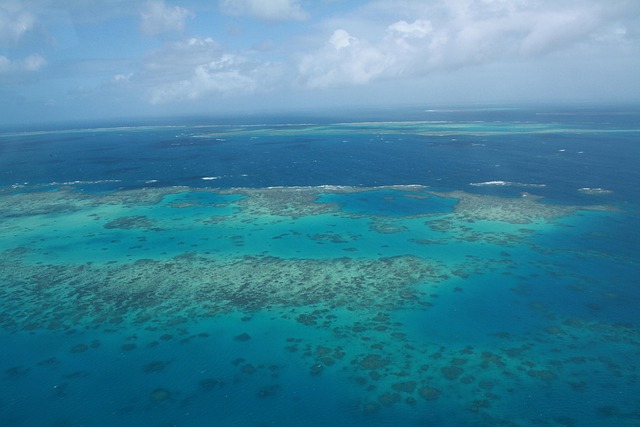
The Draw: The Great Barrier Reef is the undisputed Black Marlin capital of the world. From September to December, hundreds of 500-pound-plus marlin congregate along the reef’s drop-offs, particularly off the Lizard Island region. This is the birthplace of modern big-game fishing, where “granders” (1,000+ lb marlin) are a realistic possibility.
When to Go: Peak season is September to early December.
The Experience: This is big-game sportfishing at its most iconic. You’ll be trolling large lures or live bait from specialized game boats. The atmosphere in Cairns during the season is electric, a global hub for the world’s best captains and anglers.
5. The Wilderness Odyssey: Bristol Bay, Alaska, USA
Target Species: All five Pacific Salmon species, Rainbow Trout, Arctic Char, Dolly Varden, Grayling
The Draw: Pure, unfiltered abundance. Bristol Bay hosts the largest sockeye salmon run on Earth, and its watersheds are the last stronghold for truly wild, massive Rainbow Trout that feast on salmon eggs and flesh. Places like the Alagnak, Naknek, and Kvichak rivers offer unparalleled sight-fishing for trout in a pristine, roadless wilderness.
When to Go: June to September. July for rainbows & sockeye, September for silvers & big rainbows.
The Experience: Remote lodges accessible only by floatplane. This is a blend of hardcore fishing and profound wilderness immersion, with brown bears as your fishing companions. It’s a conservation success story and an ecological wonder.
6. The Technical Challenge: Tierra del Fuego, Argentina/Chile
Target Species: Sea-Run Brown Trout, Sea-Run Brook Trout, King Salmon
The Draw: At the literal end of the world, mythical rivers like the Rio Grande hold the largest Sea-Run Brown Trout you will ever encounter. These are not freshwater browns; they are oceanic predators that return to the river to spawn, often exceeding 20 pounds. Fishing is strictly catch-and-release, fly-only, adding to the challenge and prestige.
When to Go: December to April, with peak for large adults in February/March.
The Experience: Sophisticated, comfortable lodges on vast, windy estancias. This is methodical, technical spey casting for a few, monumental takes per day. It’s a patience game with a potentially colossal payoff.
7. The Flats Trinity: Florida Keys, USA
Target Species: Tarpon, Bonefish, Permit, Snook, Redfish
The Draw: The birthplace of saltwater fly fishing. The Florida Keys offer the most accessible “Grand Slam” (catching a tarpon, bonefish, and permit in a day) on the planet. From the legendary tarpon migrational highways of Islamorada to the technical permit grounds of Key West, it’s a year-round fishery with a rich angling culture.
When to Go: Tarpon (April-July), Bonefish & Permit (year-round, best Nov-May).
The Experience: Everything from DIY wading to hiring legendary guides. It’s a mix of intense technical fishing and laid-back Keys culture. The history and knowledge base here are unparalleled.
8. The Volcanic Giant Hunt: Lake Flynn, New Zealand
Target Species: Wild Brown and Rainbow Trout
The Draw: Lake Flynn (and the surrounding Tongariro region) is the crown jewel of New Zealand’s sight-fishing paradise. The water is crystalline, and the trout are wild, smart, and enormous—routinely reaching double digits. This is the ultimate stalking game: spotting a cruiser from a high bank, planning your approach, and presenting a perfectly drifted fly.
When to Go: The summer season, November to April.
The Experience: Mostly DIY or with a guide for a day. You’ll need sharp eyes, stealthy movement, and accurate casting. It’s less about quantity and more about the cerebral, high-stakes hunt for a single, trophy fish.
(Clarification: In this video they fish the same fish species but in a different lake.)
9. The Northern Monster Lake: Lake Athabasca, Saskatchewan, Canada
Target Species: Lake Trout, Arctic Grayling, Northern Pike, Walleye
The Draw: For pure size and numbers of Lake Trout, few places rival the frigid, deep waters of Lake Athabasca. This is where you catch 40, 50, even 60-pound lake trout—not as a once-in-a-lifetime fluke, but as a real daily possibility. The northern pike are also gargantuan.
When to Go: June to August (ice-out determines the start).
Experience: Accessed via remote fly-in lodges. This is heavy tackle, deep trolling or jigging in a stark, beautiful subarctic landscape. It’s raw, powerful fishing for the largest freshwater predators in North America.
10. The Cultural Icon: River Test, Hampshire, England
Target Species: Wild Brown Trout, Atlantic Salmon
The Draw: The River Test is the hallowed ground of dry fly fishing. As the birthplace of modern fly-fishing literature (Izaak Walton’s The Compleat Angler), it represents a tradition of chalk-stream angling that is about precision, hatch matching, and reverence for the environment. The manicured banks, gin-clear water, and selective, wild trout define a uniquely serene and technical challenge.
When to Go: The classic “Mayfly” season in May and June is magical.
The Experience: Often private and expensive, accessed through clubs or syndicates. It’s a contemplative, elegant form of fishing where the presentation is everything, and a 2-pound wild brown is a worthy prize.
Casting Off: Preparing for Your Quest
Choosing your destination is just the first cast. Remember:
-
Conservation is Key: These fisheries exist because of sustainable practices. Use barbless hooks, respect catch limits, and support lodges and guides who are stewards of their resource.
-
Match Your Skill: Be honest about your abilities. A technical New Zealand stalk is different from trolling for Alaskan salmon. Train accordingly.
-
Invest in the Right Guide: In remote locations, your guide is your gateway. Research and book well in advance.
The Last Cast
The world’s best fishing spots are more than coordinates; they are portals to the planet’s last wild places. They challenge us, humble us, and reconnect us to the primal thrill of the hunt. Whether you’re staring down a cruising GT on a flat or feeling the headshake of a giant Amazon peacock, you’re not just catching a fish—you’re catching a memory that will pull on you for the rest of your days.
Tight lines and fair winds,
If you need any help making your itinerary here is a post on how to do it: How to make the perfect itinerary for traveling: An extensive guide
The Nautilus Way Team